Autonomy beyond the driver's seat.
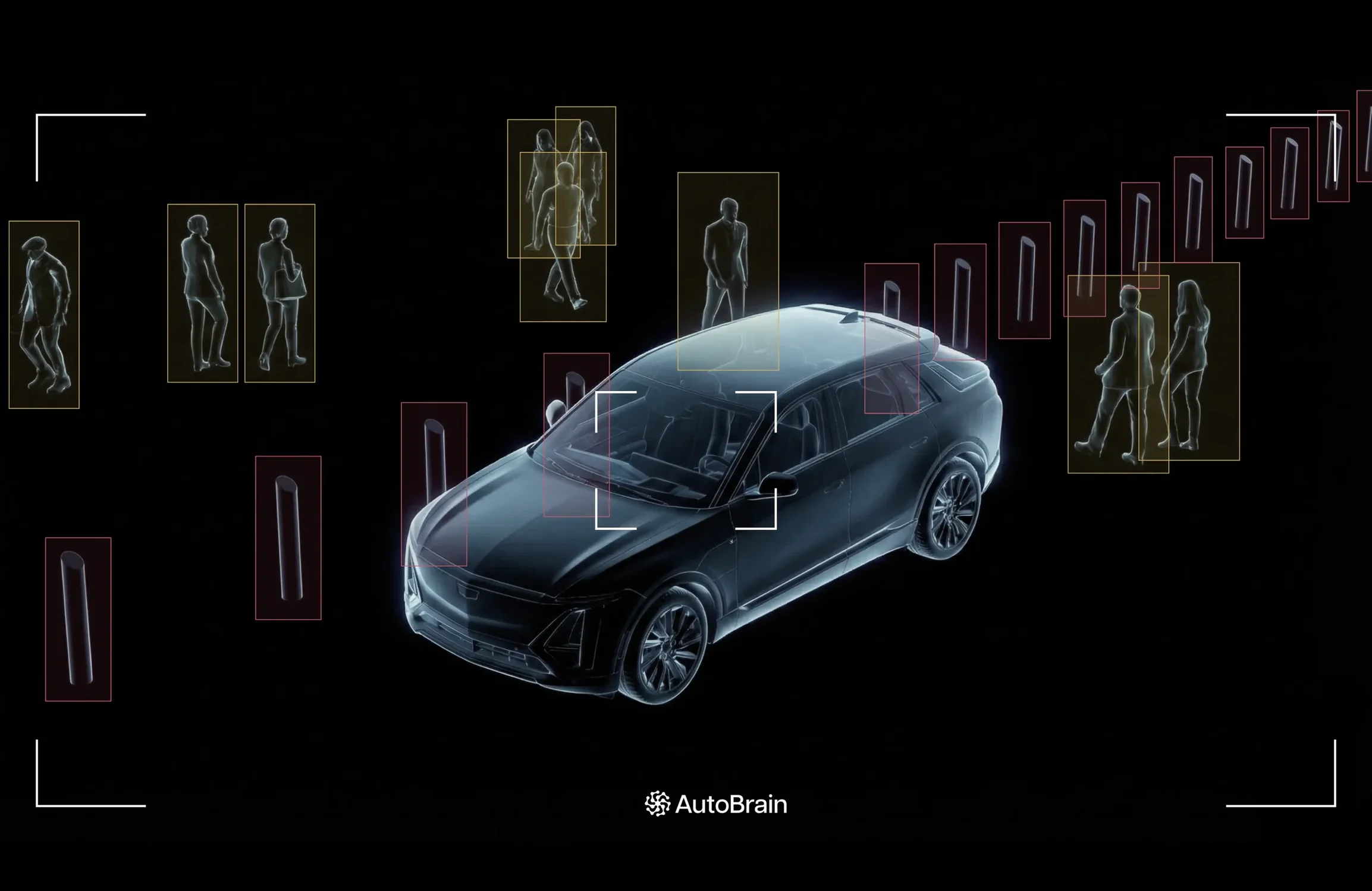
AutoBrain is an autonomous driving system developed by students at Kookmin University. Instead of relying on the car’s own sensors, it uses road infrastructure to guide vehicles.
As one of five external designers invited to work on the CES booth, I contributed to its spatial and experiential design. I mentored student teams on UX/UI decisions and helped develop MODO’s interface concepts and system diagrams.
Autobrain·Modo

Reading Time

Full Batch

Role
UX · UI Designer
Spatial Designer
Project Type
Exhibition Design
Medium
Figma
Illustrator
After Effects
Photoshop
Timeframe
Aug. 2025-Jan.2026
The system





















An infrastructure-driven autonomous driving system where edge AI and centralized servers coordinate perception and decision-making, enabling sensor-less vehicles to operate safely at a city scale.
Autobrain
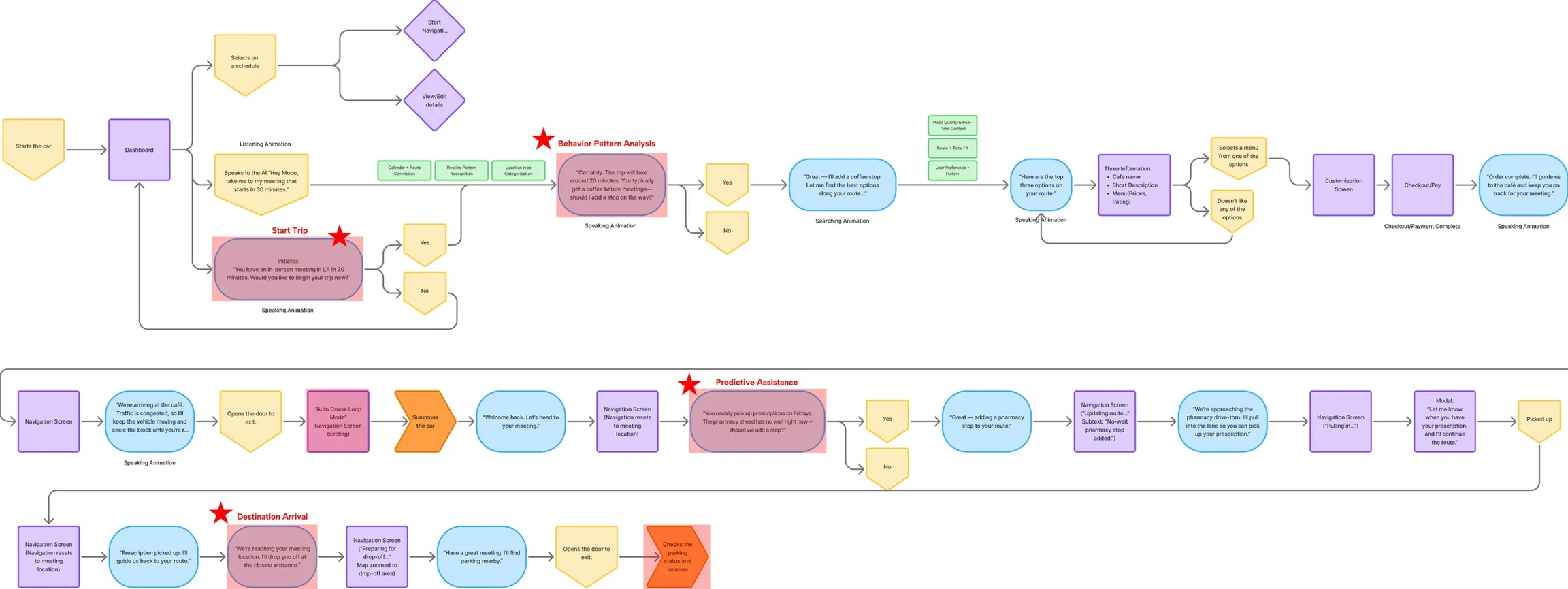
The user-facing, agentic AI experienced through the vehicle dashboard and connected devices, translating user context and intent into proactive, human-centered mobility interactions.
MODO: My Own Driving Operator
Exhibition Space content
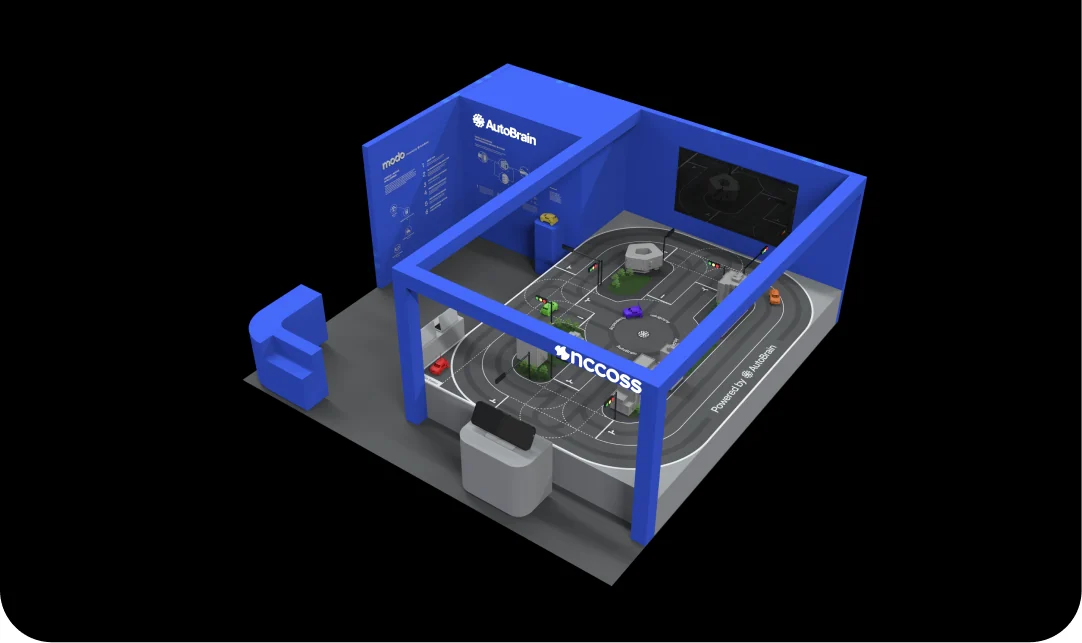
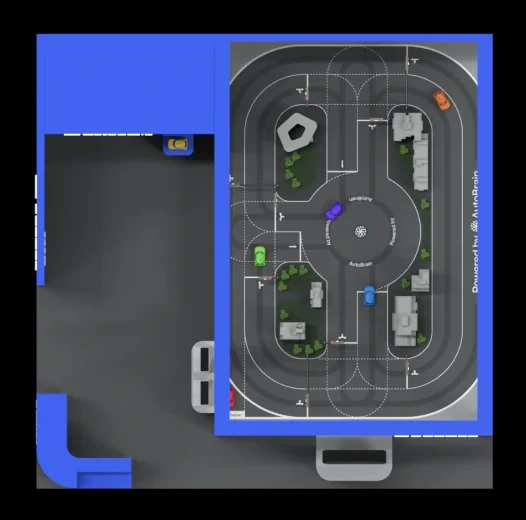
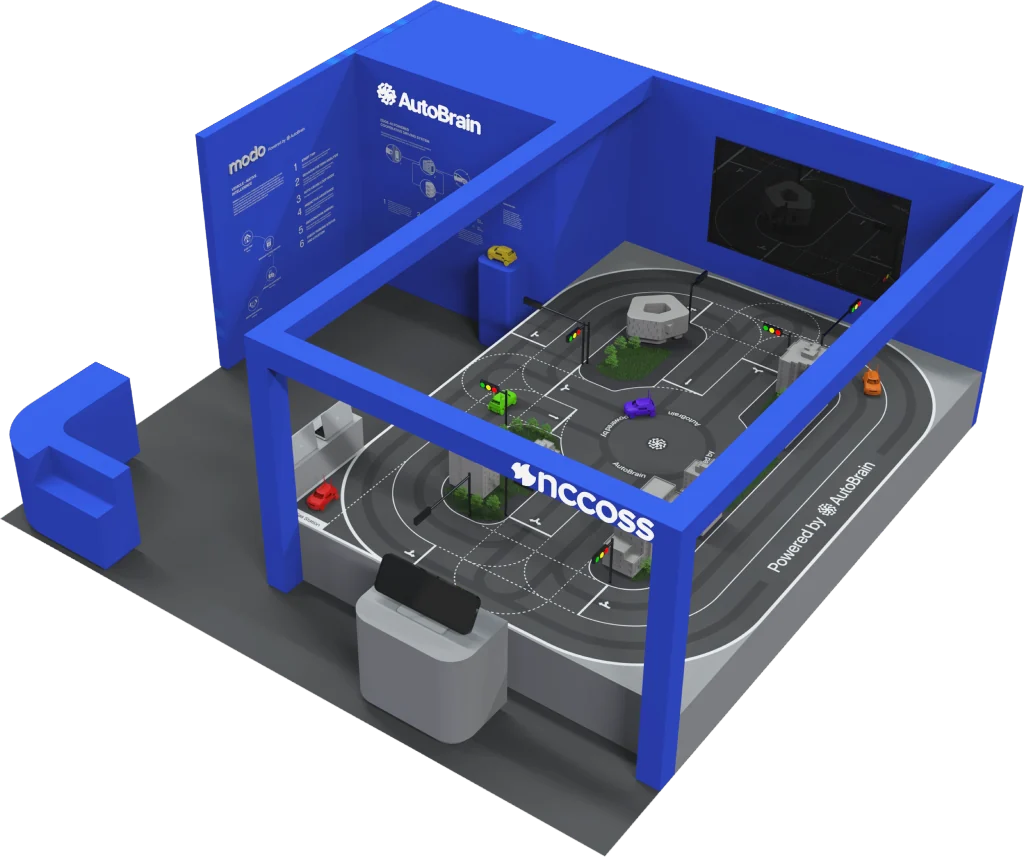
Total Exhibition space: 20 ft × 20 ft
Storage Room: 7 ft 8 in × 4 ft
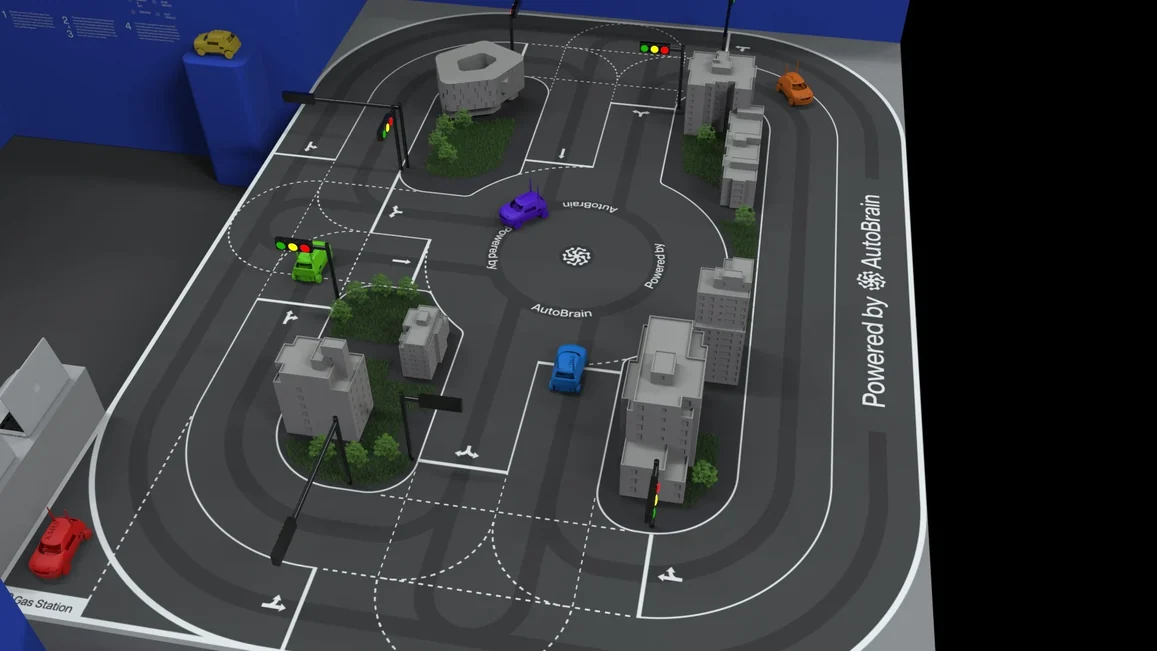
- Minimum demo track area: 16ft x 13ft
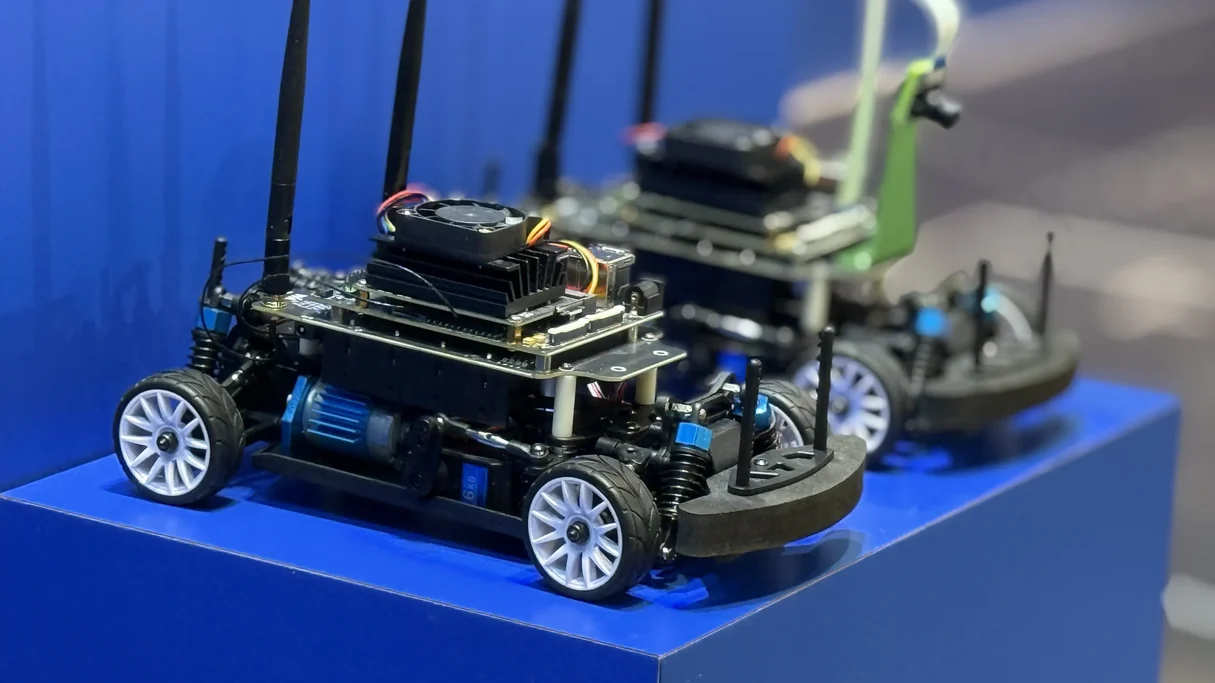
- 4–6 Demo Vehicle(each approx. 2 ft × 1 ft)
- 4 Sensor Cameras + Stands
- 4 Traffic Signals
- Building Structures
Demo Track
- 1 Exhibition Vehicle
Approx. 2 ft × 1 ft, paired with a table
Display Vehicle
- TV Screen(brand video display)
- Dashboard Demo Screen
- Table for 2 Computers(live demo troubleshooting)
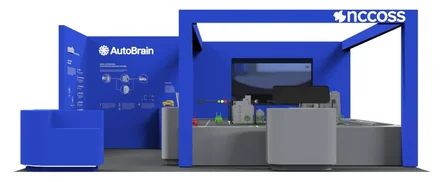
- Infographic Designs on Wall
Media & Interaction
Design Goal
Make the system understandable at a glance
Balance technical credibility with visual clarity
Visualize how infrastructure, servers, and vehicles coordinate
Exhibition Space
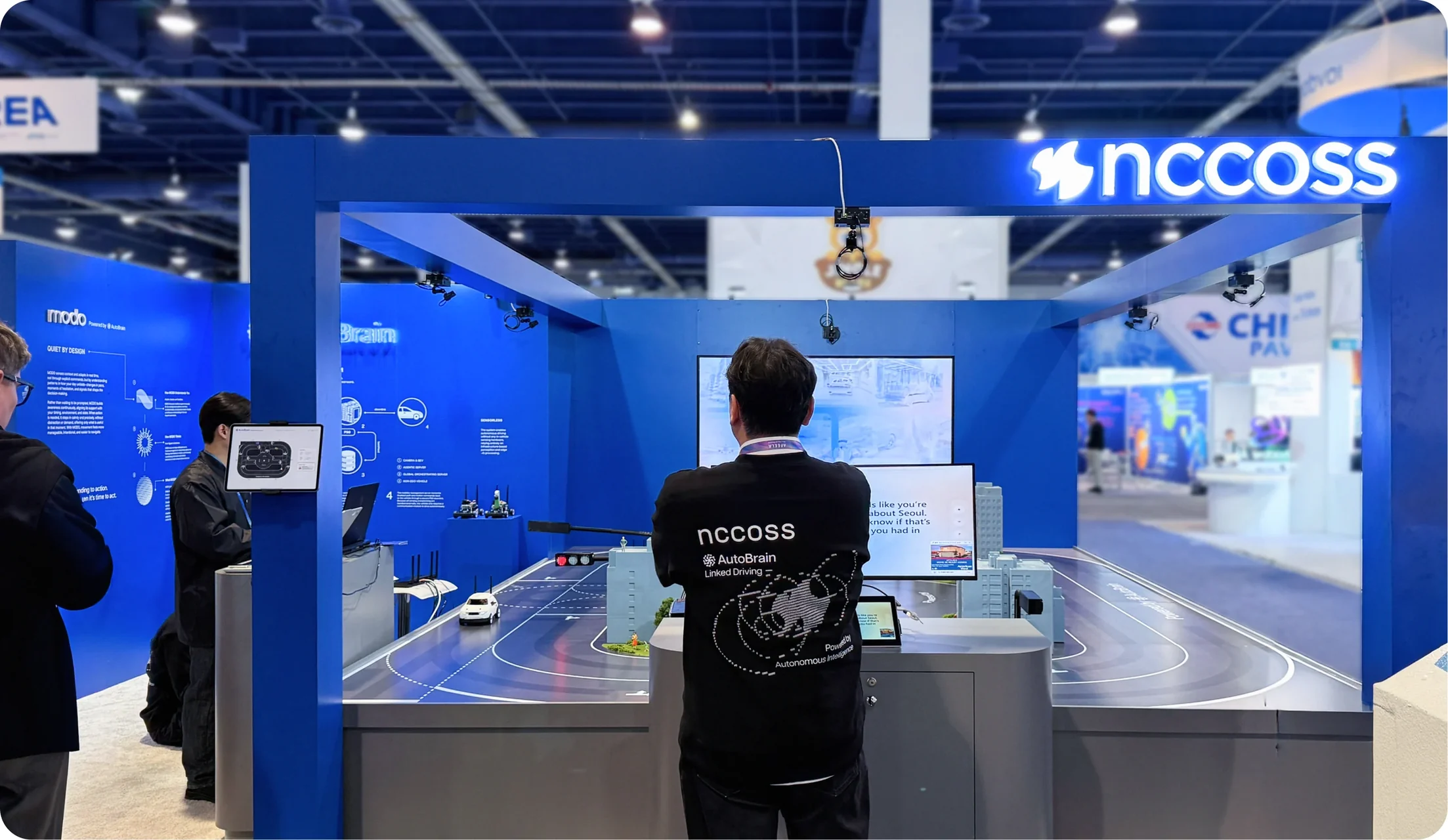
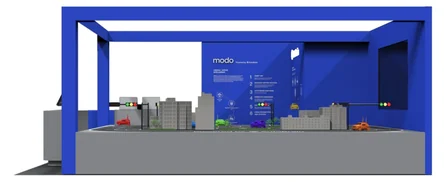
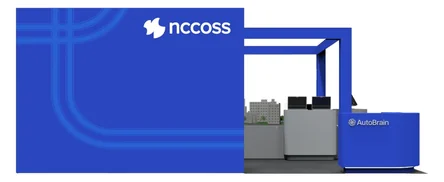
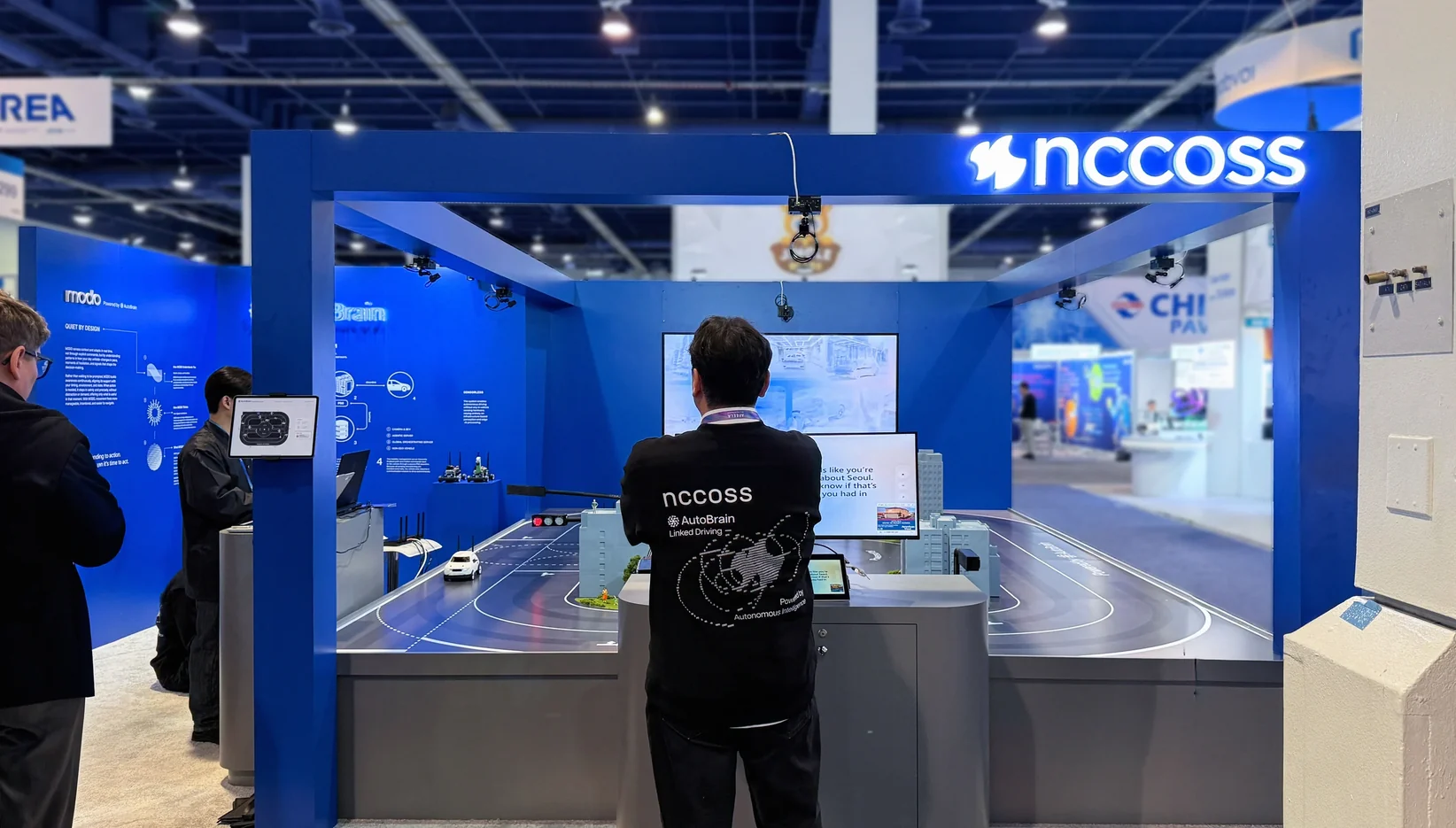
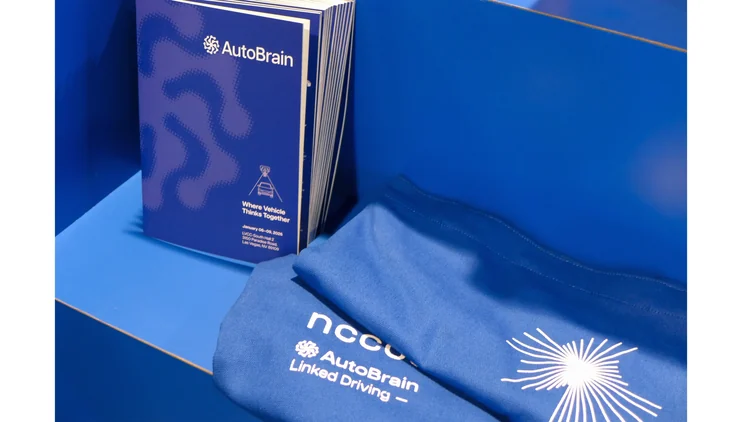
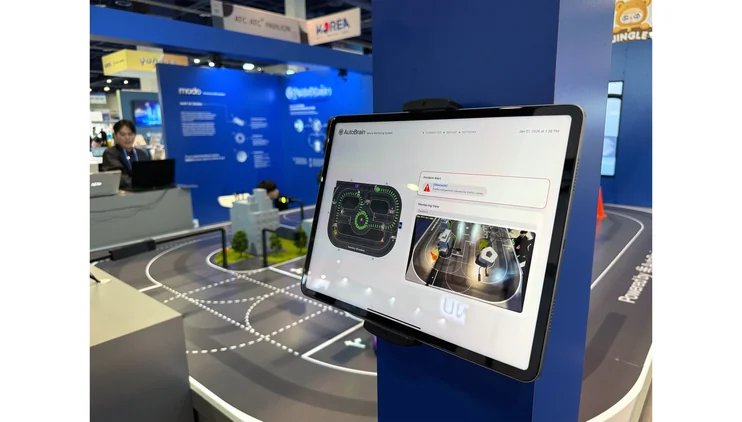
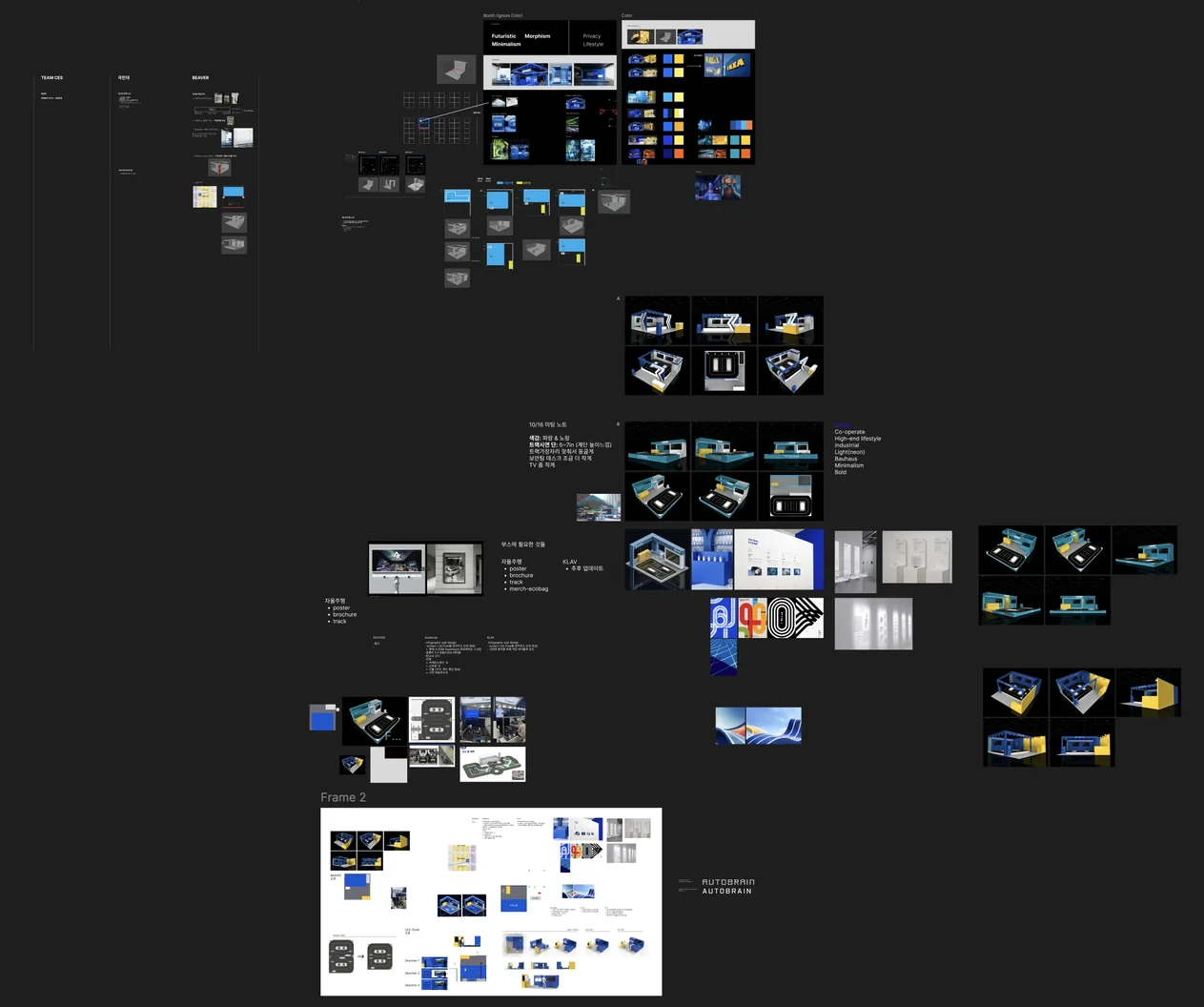
Designed within a tight 6m × 6m footprint, the exhibition centered around the live demo track to prioritize clarity and visibility. Wall graphics and a dashboard demo provided essential context for the system, creating a credible presentation of a complex system.
Right
Left
Back
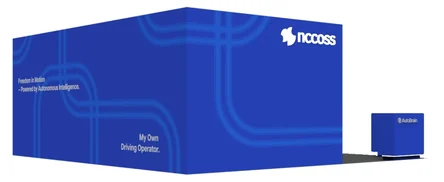
Front


UsEr interface
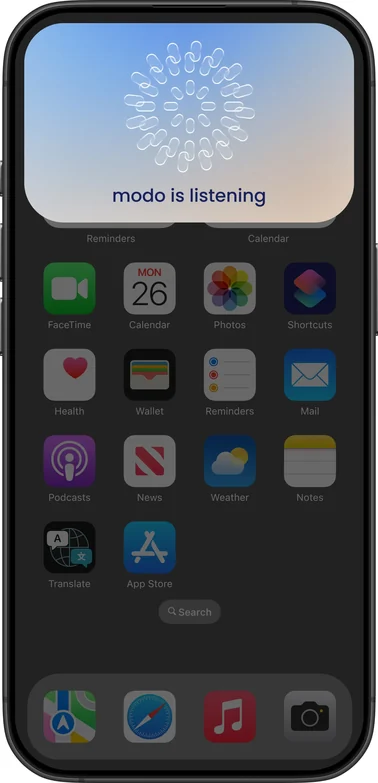
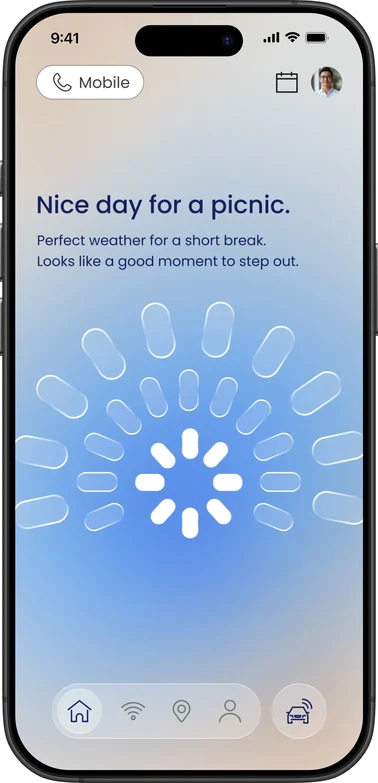
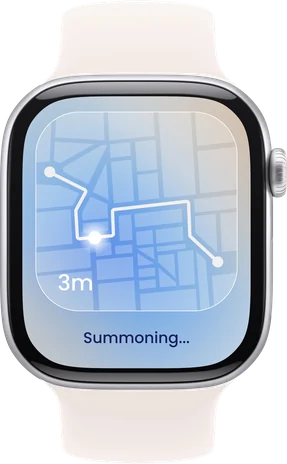
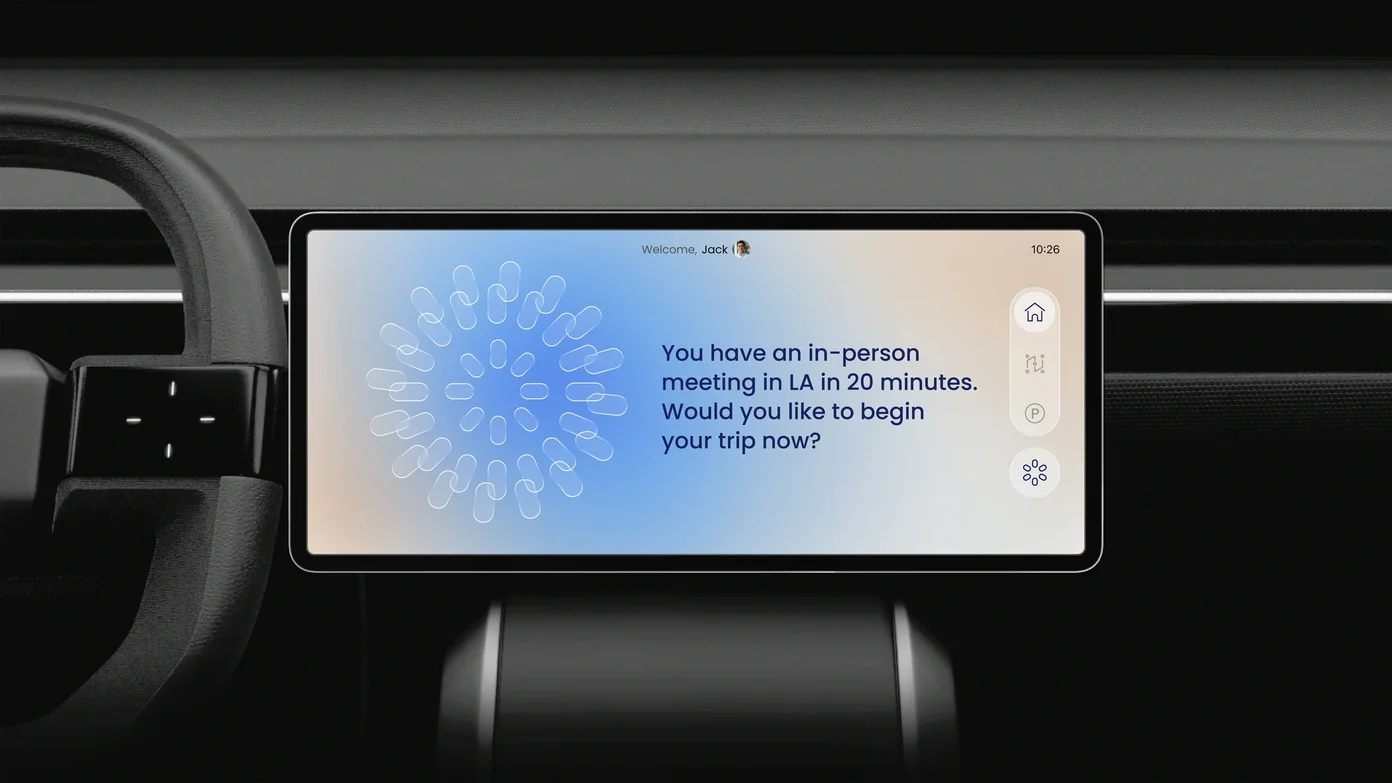
MODO’s UI is built on muted beige and blue tones that settle into a neutral gray, designed to feel calm and unobtrusive in everyday driving. Combined with a liquid glass treatment, the interface reads as a quiet, intelligent presence.

Product Video
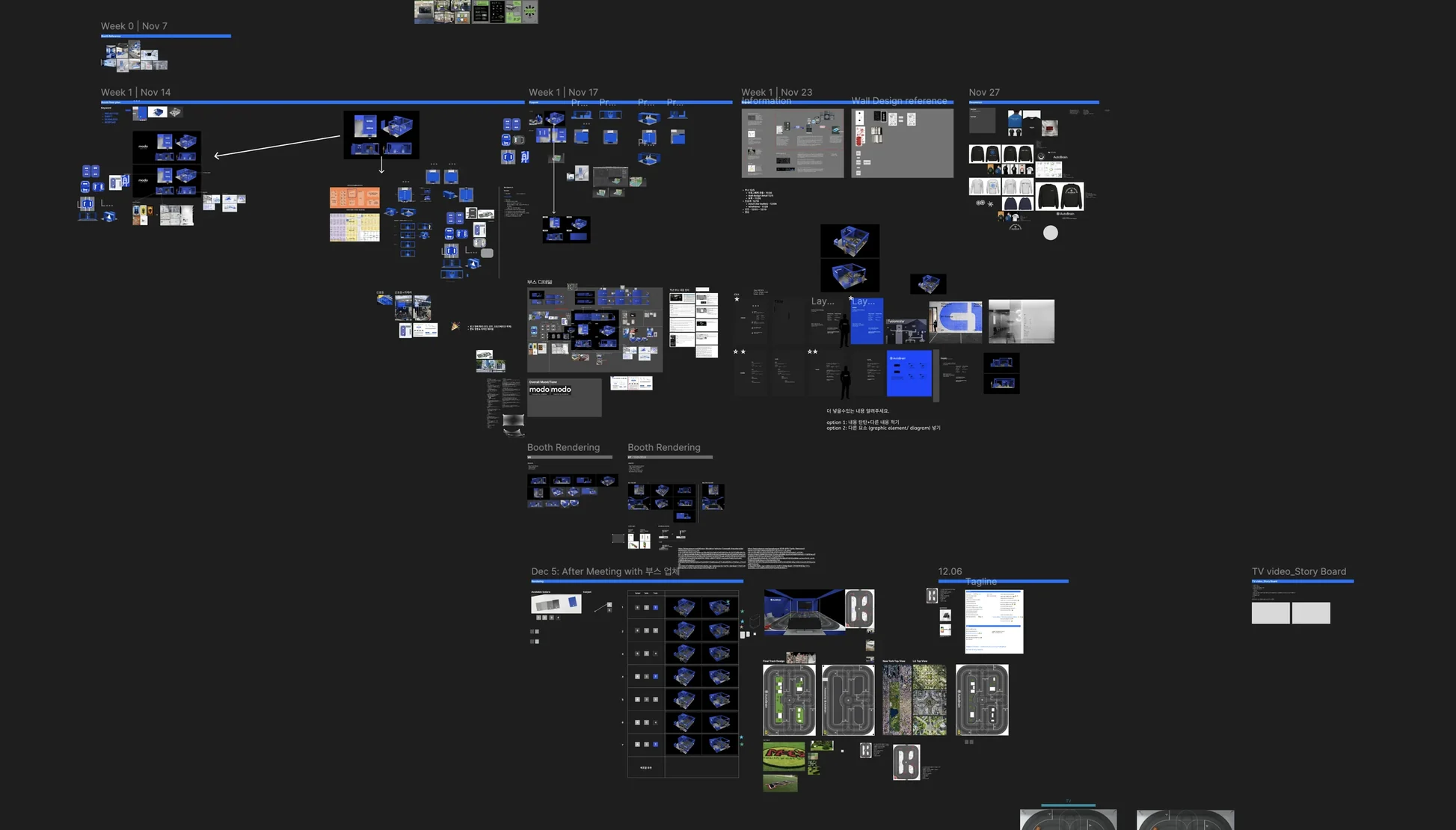
This project was my largest freelance collaboration to date, both in scale and responsibility. Working with a team of five designers and over ten students on a CES-exhibited project introduced real-world considerations beyond concept development, including technical feasibility, budget, and public-facing execution. I led the initial user flow development, aligning interaction logic with engineering constraints and mentoring student collaborators through iterative UX/UI feedback. Coordinating across a 13-hour time difference with collaborators in South Korea also reinforced the importance of clarity and structured communication.
Balancing this project alongside other freelance work and school truly helped sharpen my ability to prioritize, make deliberate decisions, and recognize when a design is complete.
Reflection
Reflection
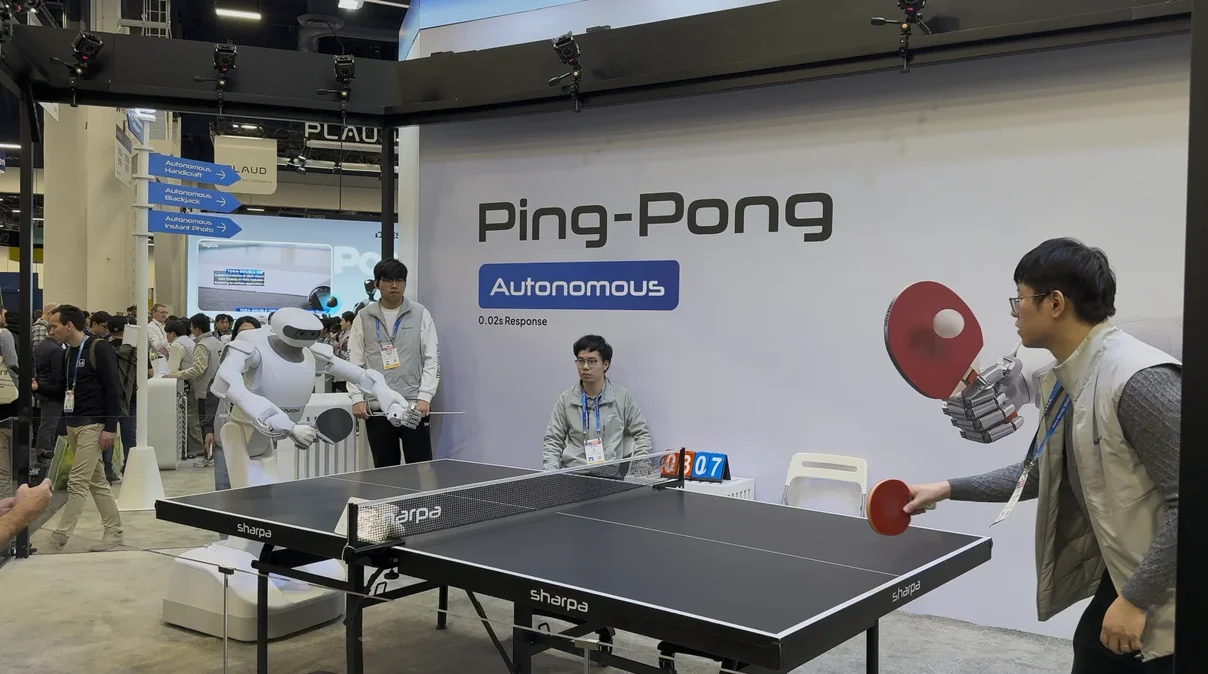
At CES, I noticed how much robotics is shifting toward more natural, human-like movement. One of the most memorable examples was a ping pong robot, which felt flawlessly fluid and responsive during play. I also saw many demonstrations focused specifically on robotic hands, showing how much effort is going into recreating the complexity of human motion for small, precise tasks. This made it clear that physical interaction design is becoming more intentional and detailed.
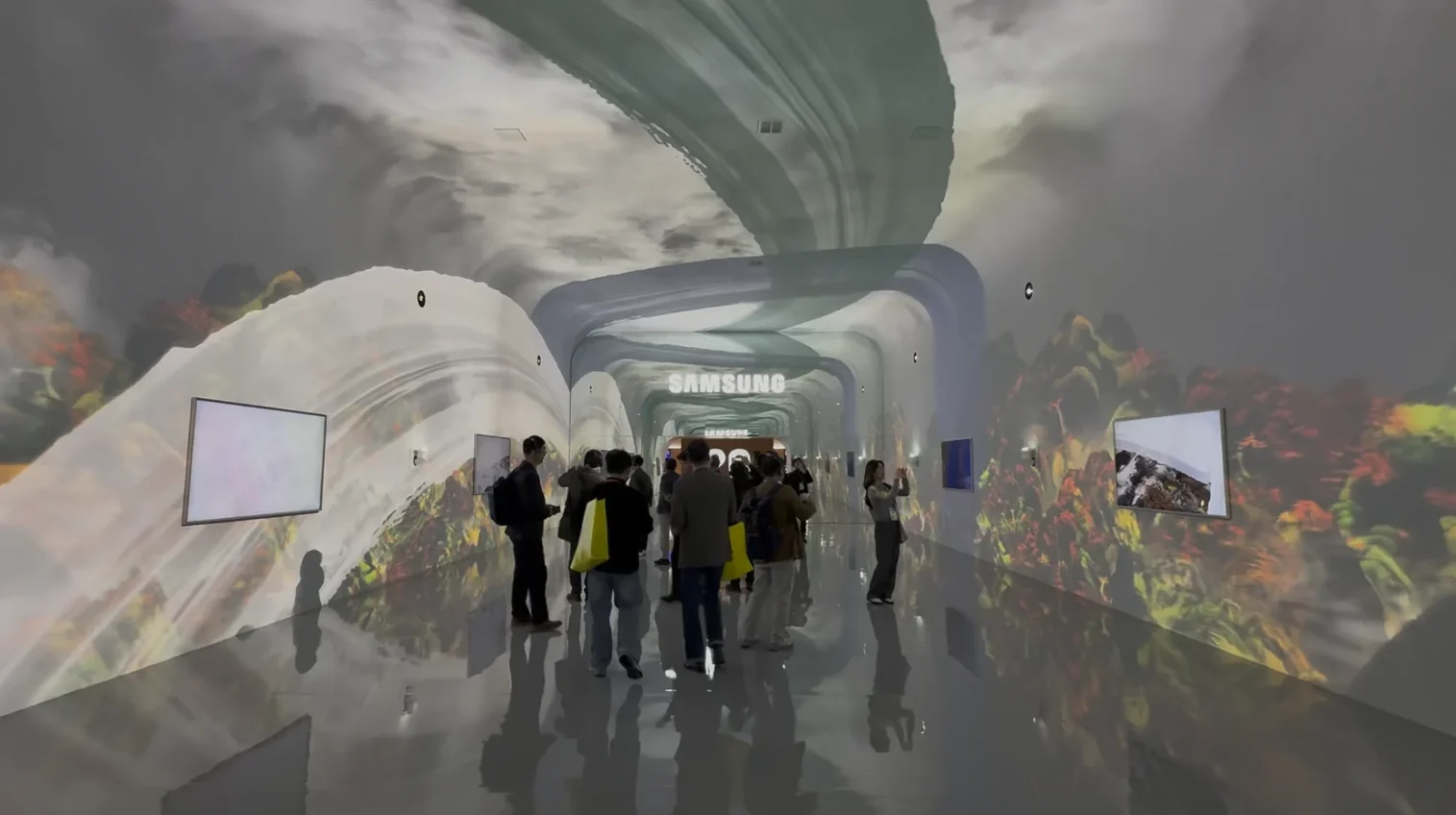
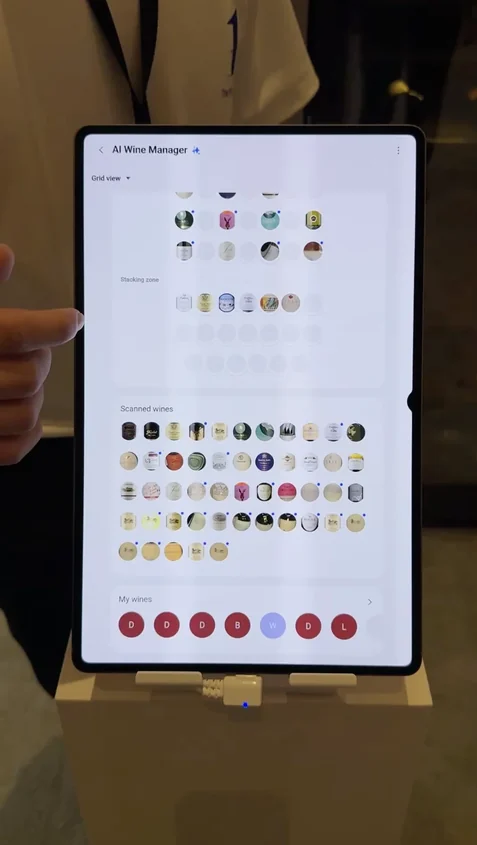
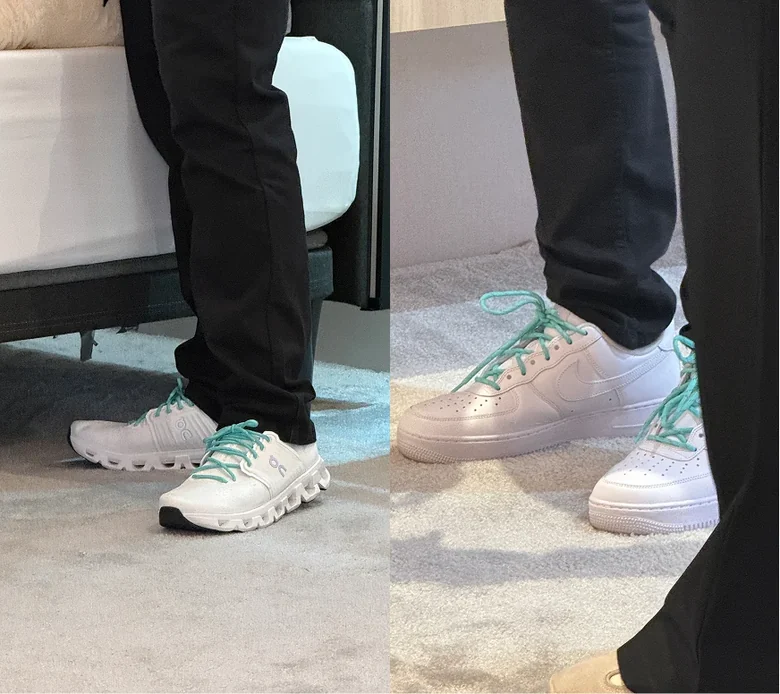
The smart home exhibits, especially at Samsung, made me think more about how interfaces fit into everyday life. A camera-monitored wine cellar stood out as an example of how sensing and automation are quietly built into home environments. It raised questions for me around how visible or invisible these systems should be, and how they can stay usable over time. Across brands like Samsung and Panasonic, the consistency in visuals, environments, and even staff presentation showed how strong design systems extended beyond screens and shape the overall experience.
Industry Observations